
Are Pirates Real Today And Where Do They Hide
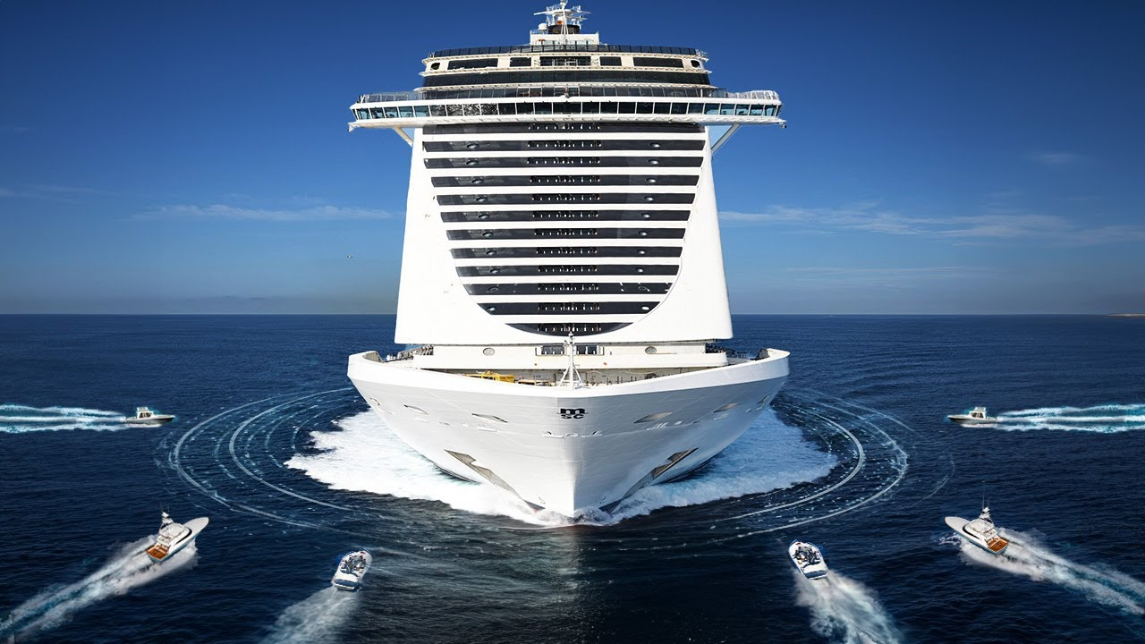
When people think of pirates, they think of Treasure Island. They think of Captain Hook. But if you ask a merchant sailor, they will tell you a different story. It is a story of fast boats and AK-47s. So, are pirates real today in the way we imagine? Not exactly. They don’t wear tri-cornered hats. They wear tracksuits. They don’t want your gold coins. They want your fuel, your cargo, and sometimes, your crew. It is a gritty, dangerous reality that has nothing to do with Hollywood.
The modern pirate is a product of desperation and opportunity. It is a serious problem that costs the global economy billions of dollars every year. It is not a movie. It is a cold, hard business. And it happens in parts of the world that most tourists never see. It is a struggle for survival on one side and a fight for maritime security on the other.
Not Your Movie Theater Pirates
The first thing to understand is that modern piracy is about efficiency. When asking are pirates real today, one must look at the tools they use. We are talking about GPS systems. Satellite phones. Outboard motors that can push a small skiff to incredible speeds. These are not sailors in the traditional sense. They are criminals who happen to operate on the water. They use technology to hunt their prey with clinical precision.
They target the weak. They look for slow-moving tankers or cargo ships with low “freeboard”—that’s the distance from the water to the deck. They use ladders made of rope and pipe. They strike at night. They want to be on and off the ship before anyone can call for help. It is a quick hit. A robbery at sea. There is no “walking the plank.” It is about cash and leverage. It is a brutal, high-stakes game of smash-and-grab.
The Violent Waters of West Africa
Piracy does not happen everywhere. It is concentrated in specific “hotspots.” If you look at a map and ask are pirates real today, the answer is a loud “yes” in the Gulf of Guinea. This area off the coast of West Africa is currently the most dangerous in the world. Pirates here are violent. They do not just steal cargo; they kidnap sailors for ransom. They hide in the complex river systems where navies cannot follow.
Then you have the Straits of Malacca. This is a narrow choke point between Indonesia and Malaysia. It is one of the busiest shipping lanes on Earth. Thousands of ships pass through it. It is like a highway for global trade. Pirates wait in the shadows of small islands. They jump on ships to steal supplies and money from the safe. It is a constant game of cat and mouse. These areas are high-risk, high-reward for the desperate and the daring.
The Hidden Boardroom of Sea Crime
Why do people do it? It is always about the money. In places where the government is weak and the poverty is high, piracy looks like a career path. This is a huge factor when considering are pirates real today and why they persist. A single successful ransom can bring in millions of dollars. That is enough to buy a lot of influence in a small village. It is a life-changing amount of money for someone with no other options.
It is an organized crime. There are “investors” on land who provide the boats and the guns. They take a cut of the profits. They use the money to buy better gear. It is a cycle that is hard to break. When a country’s economy collapses, the sea becomes the only place to find a paycheck. It is a tragedy as much as it is a crime. But for the sailors on those ships, it is pure terror. It is a business fueled by blood and desperation.
GPS and Satellites: The Pirate Toolbelt
It is a mistake to think these people are unsophisticated. They know how to use the internet. They can track ship movements through AIS (Automatic Identification System). They know what a ship is carrying before they even see it. This technological edge is part of why are pirates real today as a legitimate threat to trade. They are smart. They are motivated. They use the very systems designed for safety to target their victims.
But the defense is getting better too. Ships now use “citadels”—armored rooms where the crew can hide. These rooms have food, water, and radios. If pirates board, the crew locks themselves inside. The pirates can’t get to them. They can’t steer the ship. They eventually get frustrated and leave before the navy arrives. It is a battle of wills and technology. The pirates might have the guns, but the crews have the steel.
Why Your Grocery Bill Is Rising
You might think piracy doesn’t affect you. But it does. Every time a ship has to take a longer route to avoid pirates, it uses more fuel. Every time insurance rates go up for shipping companies, the cost of goods goes up. So, are pirates real today in your everyday life? Yes. They are in the price of your coffee. They are in the price of your new sneakers. It is a hidden cost passed down to every consumer on the planet.
Global trade relies on the sea. About 90% of everything you own came to you on a ship. When pirates disrupt that flow, everyone pays the price. It is a hidden tax on the global economy. Stopping piracy isn’t just about saving sailors; it’s about keeping the world’s heart beating. It is an economic necessity that requires a global solution. The stakes are higher than most people realize.
The International Naval Hammer
The world does not just let this happen. There are massive international efforts to stop piracy. Navies from dozens of countries work together. They use helicopters. They use elite boarding teams. They prove that are pirates real today but they are also being hunted. When a pirate skiff is spotted, it is often intercepted by a multi-million dollar warship. It is a lopsided fight once the professionals show up.
These patrols have been very successful in places like Somalia. A few years ago, Somali pirates were the biggest threat on the ocean. Today, thanks to constant naval presence, the number of attacks there has dropped to almost zero. It shows that when the world decides to act, it can close the curtains on the pirate show. But the pirates just move to other areas where the heat is lower. It is a global game of “whack-a-mole.”
A Long War on a Big Ocean
The fight against piracy is a long one. It is a fight against poverty and lawlessness. As long as there is money to be made and no one to stop them, pirates will exist. But we are getting better at the defense. We are using drones. We are using better intelligence. The ocean is becoming a smaller place for criminals to hide. Every year, the net gets a little tighter around these maritime criminals.
The age of the pirate is not over, but it is changing. It is becoming harder for them to win. The world is watching. The navies are patrolling. And the crews are prepared. We may never completely get rid of piracy, but we can make it a very bad career choice. The sea is for everyone, and slowly, we are taking it back from the shadows. The horizon is getting brighter, but the watch never ends.
FAQs
- What is the difference between a pirate and a privateer?
Historically, a pirate is a criminal acting for personal gain, while a privateer was a “legal” pirate authorized by a government during wartime to attack enemy ships. Today, privateers no longer exist; all unauthorized attackers at sea are considered pirates.
- Do modern pirates still use “Jolly Roger” flags?
No. Modern pirates prefer stealth. They use small, unmarked fishing boats or skiffs to blend in with local traffic until they are close enough to strike. Flying a pirate flag would only alert the navy to their location.
- What happens to pirates when they are caught?
It depends on the jurisdiction. Pirates caught by international navies are often handed over to nearby countries for trial. In some cases, they are prosecuted in the country of the ship they attacked. Modern maritime law treats piracy as a universal crime.