
Are There Still Pirates Today And How They Operate
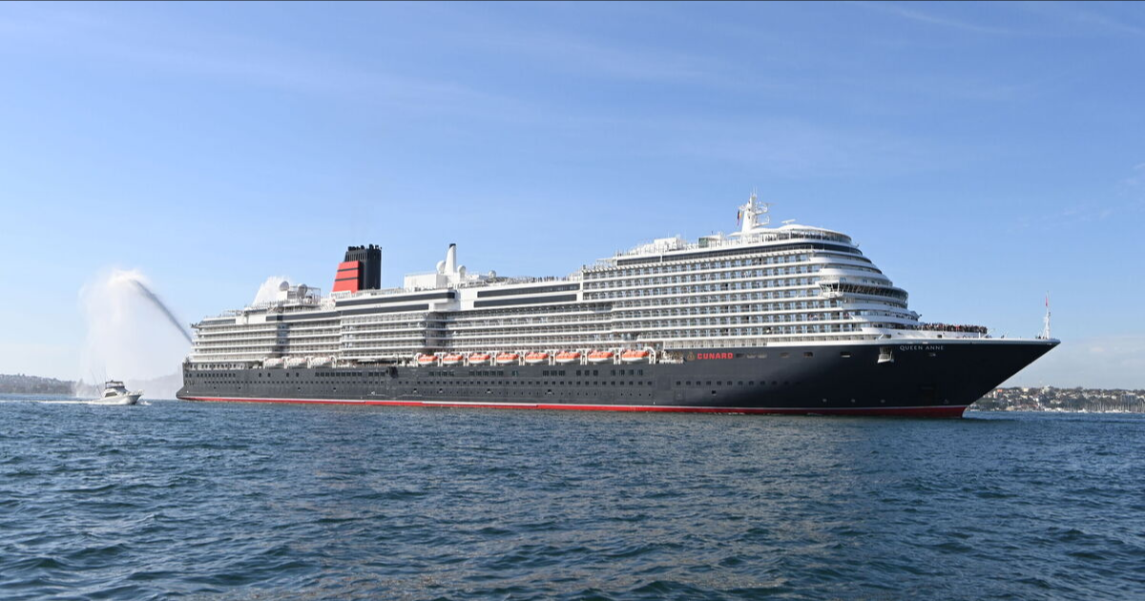
The world is not a tiny map on a smartphone screen. It is a massive, unpredictable, and often violent place. This is a reality many people forget until they look at the vast, empty horizon of the blue ocean. Sarah Miller has spent a lifetime dissecting maritime safety. The answers she finds regarding are there still pirates today are usually grittier than a Hollywood script. The ocean remains the ultimate wild frontier. It is a place where technology often fails and human desperation takes over.
Forget the wooden ships. Forget the eye patches and the parrots. Those images belong in history books or theme parks. Modern piracy is a cold, calculated business. It is about profit margins. It is about organized crime groups that treat the high seas like a lawless highway. This is not an adventure. It is a gritty struggle for survival and greed.
The Gritty Reality Of Modern High Seas Piracy
Piracy never actually went away. It just swapped the sails for 200-horsepower outboard motors. Today, this is a serious criminal industry that chokes global trade. It involves organized gangs looking for fast cash and expensive cargo. These groups thrive in “black holes” where local law enforcement is either too broke or too far away to care. Sometimes, the law just looks the other way for a cut of the loot.
People assume satellites see everything. That is a comforting lie. The ocean is too big to monitor every square inch. Are there still pirates today who can vanish into the mist? Yes, and they do it every single week. These criminals use the sheer vastness of the water to strike like ghosts. They don’t want gold doubloons. They want barrels of oil. They want high-end electronics. Most of all, they want the crew. Kidnap and ransom is the most profitable part of the gig. It is a cold-blooded business model.
Mapping Out Where Most Piracy Happens Now
Piracy isn’t happening everywhere, but it clusters in specific, high-risk zones. The Gulf of Guinea off West Africa is the current king of chaos. It is a nightmare of mangroves and oil rigs. This region sees constant kidnappings. It is a deadly game of hide-and-seek where the pirates usually know the terrain better than the navy.
Then there is the Horn of Africa. A decade ago, Somalia was the face of global piracy. It has gone quiet because of massive international naval patrols. But the threat has not died. It is just hibernating. If the patrols leave, the skiffs come back. Are there still pirates today willing to gamble near Somalia? Only the ones looking for a massive payday from a stray tanker.
The Southeast Asian waterways, like the Strait of Malacca, are different. These are the busiest shipping lanes on Earth. Because the traffic is so heavy, criminals blend in with fishing fleets. They use the cover of darkness to climb onto slow-moving ships. They aren’t looking to hijack the whole vessel. They just want the ship’s safe and the crew’s cell phones. It is quick, dirty, and very effective.
The Rough Look And Cold Behavior Of Modern Pirates
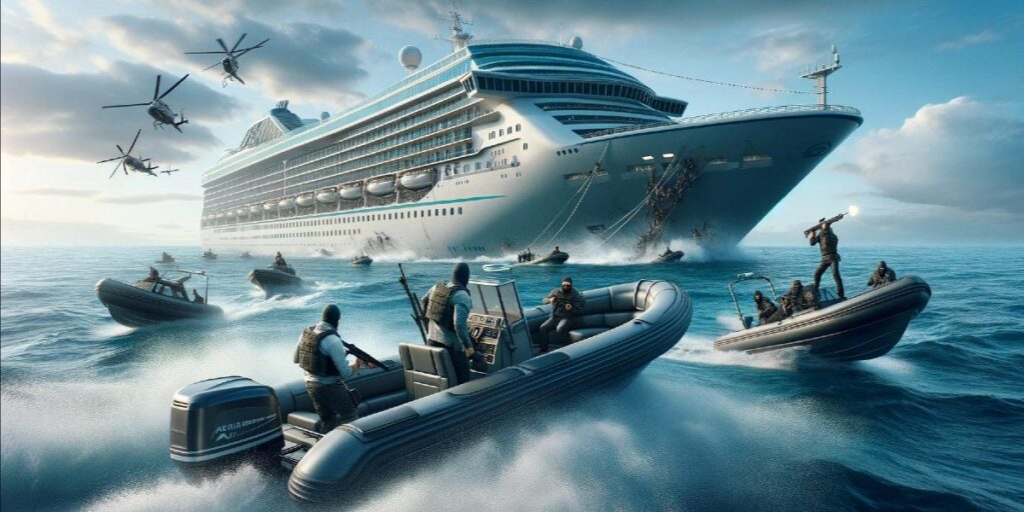
Modern pirates don’t wear costumes. They look like ordinary, hardworking fishermen. They wear flip-flops and stained t-shirts. This is their camouflage. Their behavior is calculated and professional in the worst way possible. They aren’t looking for a fair fight. They are looking for a vulnerable target that won’t fight back.
Most of these teams are small. Usually, it is six to ten young men. Most of them come from coastal villages where the fish have died off and the government has failed. Poverty is a hell of a motivator. These guys are the foot soldiers. The real bosses stay on land in fancy villas. Those bosses handle the negotiations and the money laundering. They never get their hands salty, but they drive the entire machine.
Tools Of The Trade: Equipment Used By Today’s Pirates
Speed is everything on the water. Criminals use high-speed skiffs that can skip across the waves at forty knots. These boats can easily outpace a heavy, loaded merchant ship. They also carry GPS and AIS tracking systems. They know exactly where the target is before they even leave the beach. It is a weird mix of high-tech tracking and low-tech violence.
Communication is the backbone of the attack. They use mobile phones and satellite links to talk to scouts on land. They know which ships have armed guards and which ones are “soft” targets. They don’t just wander around hoping for luck. They have intelligence.
The weapons are simple but terrifying. The AK-47 is the standard tool. It is cheap, reliable, and stops people in their tracks. Sometimes they bring a rocket-propelled grenade (RPG) just to show they mean business. A hole in the bridge of a ship usually convinces a captain to stop. Are there still pirates today using swords? No. Bullets are much faster.
The Global Fight To Stop Sea Robbery
The world does not take this sitting down. Shipping is the lifeblood of the economy. International fleets from the U.S., Europe, and China patrol the danger zones. They hunt for “mother ships.” These are larger vessels that allow the small skiffs to operate hundreds of miles from the coast. When the navy finds a mother ship, the party is usually over.
Private security is the real game-changer. Shipping companies now spend millions on armed teams. These guys are often former special forces. Most pirates will take one look at a guy with a thermal scope and a rifle and turn the boat around. This has broken the back of the Somali pirate model. It is a simple lesson: don’t pick a fight you can’t win.
Real Risks To Global Shipping And Daily Trade
Everything in your house probably spent time on a ship. When pirates strike, the costs ripple down to your local grocery store. Insurance premiums for ships in the Gulf of Guinea are insane. Those costs get added to the price of the oil or the sneakers inside the containers.
Companies have to pay “danger pay” to sailors. They have to burn more fuel to go around high-risk zones. This adds weeks to delivery times. It is a massive headache for the global supply chain. Fighting piracy is about keeping the price of gas and food from spiking. For those monitoring global trade, the question are there still pirates today is less about adventure and more about economic stability.
Staying Alive In Dangerous International Waters
Small yachts are actually at high risk. They don’t have the high walls of a tanker. They don’t have armed guards. For a world traveler, a small sailboat is a floating ATM. Sarah Miller tells sailors to avoid the Red Sea and parts of South America. If you sail into these areas, you are gambling with your life.
Common sense is the only real shield. Register your route. Keep the radio on. Don’t be a hero. The ocean is a lonely place to have an emergency. Traveling in a “convoy” of several boats is the best way to stay safe. Pirates want the easy win, not a complicated fight with three different boats.
The Hard Future Of Maritime Security
The battle continues 24/7. We are seeing more drones scouting the coastlines. AI is being used to flag ships that are behaving strangely. But the real solution isn’t more guns. It is helping the people on the coast. If a young man has a job, he won’t get on a skiff with a rifle.
FAQs
Are there still pirates today in 2026?
Yes, piracy is still active in several regions across the globe. While the tactics have changed from historical versions, maritime crime remains a serious threat in areas like the Gulf of Guinea and Southeast Asia.
What is the most dangerous area for piracy right now?
The Gulf of Guinea, off the coast of West Africa, is currently considered the most high-risk zone for violent piracy and crew kidnappings.
What do modern pirates usually steal?
Unlike the treasure hunters of the past, modern pirates target cargo such as oil, electronics, and engines. However, the most profitable “cargo” is often the crew, who are held for ransom.