Finding The Best Shampoo For Dry Scalp To End The Itch
Nothing drives a person mad quite like that relentless scalp itch. Picture sitting through an important meeting or a quiet dinner, and suddenly the head erupts in flames. The skin pulls tight, flakes drop, and scratching becomes the only thought. Everyone knows this misery. It creeps in during dry winters, blasted air conditioning, or endless central heating that turns rooms into moisture vacuums. The hunt for the best shampoo for dry scalp begins, but store aisles look like a battlefield of hype. Bottles scream miracle cures, yet most contain nothing more than stripped-down detergents dressed up with fake scents. Real relief demands something that halts the destruction instead of adding to it.
Why The Scalp Turns Into A Cracked Wasteland
Dry scalp never strikes without cause. The scalp counts as skin—delicate skin hammered by daily abuse. It craves a delicate balance of natural oils and hydration. Disrupt that equilibrium, and the itch arrives full force. Weather plays a role. Stress piles on. But the biggest culprit usually sits in the shower caddy: harsh shampoos that over-clean.
Cheap formulas act like industrial degreasers. They blast away every trace of oil, including the protective layer the scalp needs. The result leaves skin raw, cracked, and desperate. Anyone searching for the best shampoo for dry scalp needs a truce, not escalation. The right product cleans gently and respects the moisture barrier instead of torching it.
Sulfates: The Overhyped Villain Everyone Falls For
Flip any shampoo bottle. The ingredient list reads like a lab accident summary. Few bother reading it—big mistake. Sulfates top the troublemakers. These chemicals whip up thick, satisfying lather that feels clean. Reality hits harder: sulfates wreck sensitive scalps. They strip too aggressively and leave irritation in their wake. Sulfate-free options deserve serious attention.
Flip the script to the helpful ingredients. Humectants pull their weight. Glycerin draws moisture from the air straight into the skin. Hyaluronic acid does the same on a stronger level. Oils step up too. Jojoba stands out because it closely matches the scalp’s own sebum. A solid best shampoo for dry scalp packs these elements. Itching fades once the skin regains balance and starts repairing itself. The difference shows fast.
Drugstore Finds That Actually Deliver
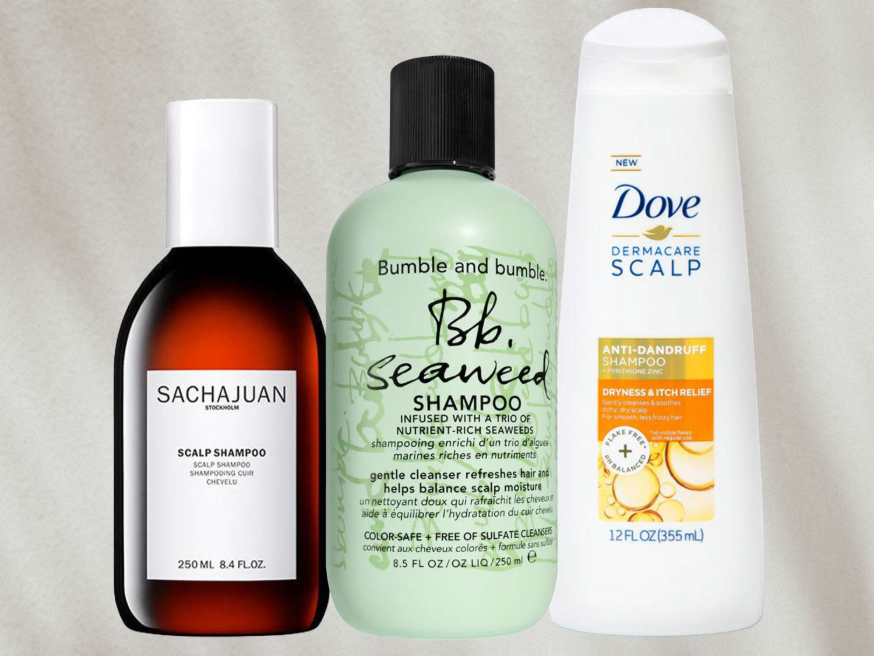
No need to empty the wallet for decent relief. Effective shampoos hide among everyday items near the toothpaste tubes. Major brands invest heavily in testing, so some formulas hold real science behind the claims. Zinc pyrithione remains a classic for good reason. It targets the microbes that worsen dryness and flaking without mercy.
Caution matters. Certain medicated versions dry hair to straw-like stiffness. Look for balanced options that mix active ingredients with moisturizers. Oat-based shampoos gain traction lately. Oats bring natural anti-inflammatory power. They soothe redness and cut itch almost on contact. Spotting the best shampoo for dry scalp on drugstore shelves comes down to skipping flashy ads and scanning labels carefully.
Knowing When To Ditch The Budget Bottle
Sometimes a five-dollar bottle falls short. When the scalp screams nonstop, stepping up to premium makes sense. Higher-end products pack stronger concentrations of active components. They favor cold-pressed natural oils over synthetic fillers common in cheap lines.
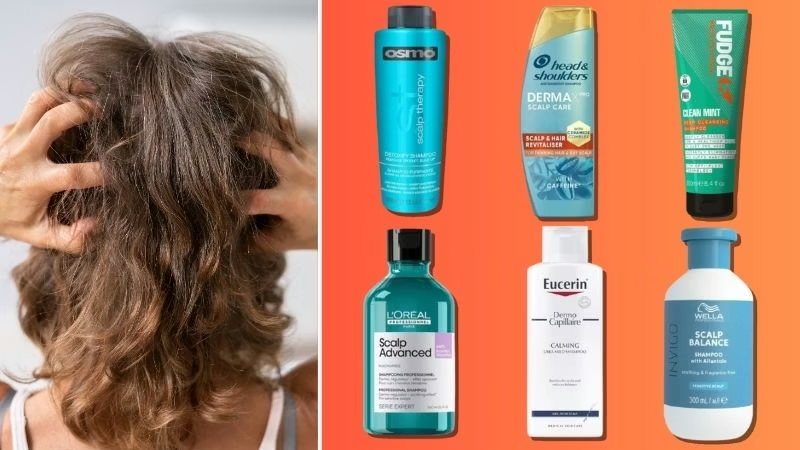
The best shampoo for dry scalp in this category often doubles as targeted skincare. Salicylic acid appears frequently—it loosens dead flakes gently without aggressive scraping. Peppermint and tea tree oils add a cooling kick that interrupts the itch cycle immediately. Prices climb to twenty or thirty dollars. Still, relief that prevents bloody scratching during a workday counts as money well spent. Treat it like medicine rather than basic soap.
Shower Mistakes That Keep The Itch Alive
Products handle only part of the battle. Shower habits sabotage progress for many. Scalding hot water feels relaxing on muscles but strips the scalp’s defenses clean. Lukewarm water feels disappointing at first, yet it preserves natural oils far better.
-
Scrubbing with fingernails: This creates tiny tears that fuel more inflammation. Fingertip pads work cleaner and safer.
-
Over-washing: This ranks high among errors too. Daily shampooing—even with the best shampoo for dry scalp—eventually irritates.
-
Frequency: The scalp needs time to rebuild its own oils. Two or three washes per week hits the ideal range for most.
Stress: The Hidden Trigger That Amplifies Everything
The body operates as one messy, interconnected system. High stress from work deadlines or poor sleep hits the scalp hard. Cortisol surges spark widespread inflammation. A mildly dry scalp escalates into full-blown flaking and constant itching under that pressure.
No shampoo, however perfect, repairs a crumbling routine. Root causes demand attention.
-
Better sleep helps.
-
Hydration from inside matters.
-
Even a quick five-minute scalp massage reduces tension and boosts circulation to follicles.
Hair health reflects deeper conditions. Ignoring the big picture dooms any topical fix.
Breaking Free From The Endless Itch Cycle
Relief arrives through patience, not instant magic. One wash rarely solves the problem. Consistent shifts—ditching harsh chemicals, treating the scalp with care—bring gradual change. The tight, uncomfortable feeling fades.
The best shampoo for dry scalp fits individual needs. Some prefer strong medicated versions to tackle severe cases. Others lean toward gentle oat or botanical blends for daily use. Listen to skin signals. Once flakes disappear and itching vanishes, mental bandwidth opens up. What once consumed thoughts becomes background noise. Small adjustments deliver outsized daily wins.
FAQs
Is a dry scalp the same as dandruff?
Not exactly. Dry scalp is a lack of moisture. Dandruff is often caused by an overgrowth of fungus and results in oily flakes.
Can I use conditioner on my scalp?
Usually, it is better to keep conditioner on the ends. However, some scalp-specific conditioners are designed to hydrate the skin.
Will a silk pillowcase help?
Yes, silk creates less friction and doesn’t absorb as much moisture from your hair and skin as cotton does.
How long does it take to see results?
If you are using the right product, you should feel relief from itching almost immediately, but flakes may take two weeks to clear.
You may also read: Sabrina Carpenter Tour Outfits You Need To See Right Now