
The Best Shampoo For Frizzy Hair To Save Your Morning
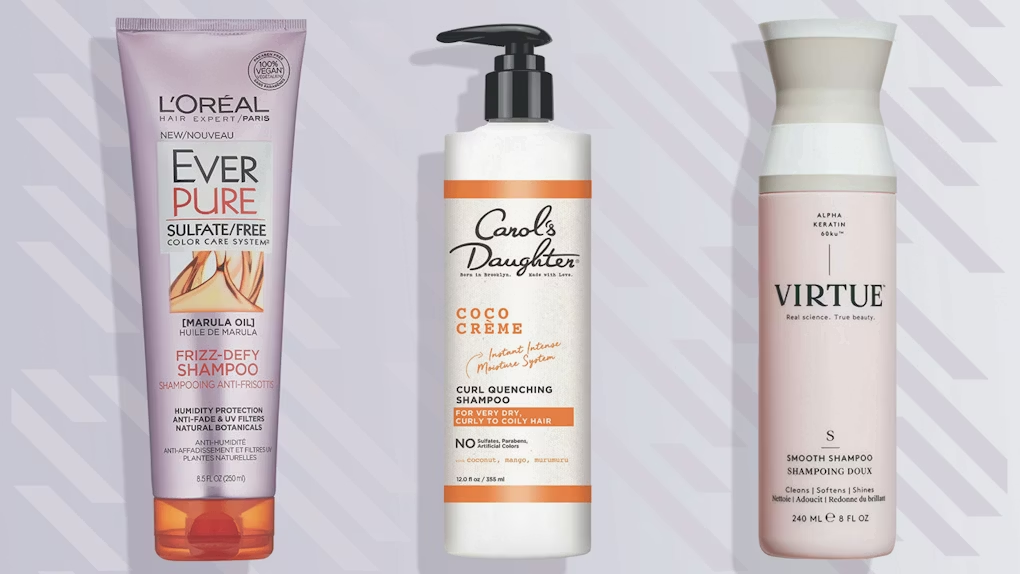
Finding the best shampoo for frizzy hair can change an entire morning routine. It is the difference between a quick brush-and-go and a forty-minute battle with a blow dryer. Humidity and dryness often make hair difficult to manage. This is especially true in the sweltering heat of a Georgia summer or the radiator-dried air of a Chicago winter. Most people just want hair that behaves. This guide helps reclaim control over a beautiful mane without the corporate fluff. Marketing teams love to promise miracles in a bottle. Most of it is just overpriced water and perfume. Real results come from chemistry.
Why High Humidity Turns Hair Into A Science Experiment
Frizz happens when the outer layer of the hair raises. This layer is called the cuticle. Think of it like shingles on a roof. When hair is healthy and hydrated, those shingles lay flat. They create a smooth, reflective surface. But when hair is dry, the cuticle stays open. It searches for moisture in the air like a thirsty plant. This causes the hair strands to swell up and go wild. It is a biological desperate act.
Living in the United States often means facing unpredictable weather. From the damp coastal fog of the Pacific Northwest to the bone-dry heat of Arizona, hair reacts constantly. The best shampoo for frizzy hair creates a functional barrier. It seals the cuticle to keep internal moisture inside where it belongs. It also blocks extra moisture from the atmosphere. Without this protection, hair looks fuzzy. It feels rough. Tangles become a nightmare. Proper hydration is the first step. One must understand the hair type first. Fine hair needs light moisture. Thick hair needs heavy creams and oils. Most people get this wrong and end up with greasy roots.
Decoding The Chemistry Of The Cuticle
The science of a smooth strand is simpler than it seems. Hair is mostly protein, specifically keratin. It is held together by various bonds. When those bonds get disrupted by heat or chemicals, the cuticle lifts. This is where the struggle begins. Most generic shampoos use harsh detergents to get that satisfying foam. But that foam is actually a red flag for anyone with a frizz problem. Big brands use these cheap soaps because they are inexpensive to manufacture. They do not care about the long-term health of the strand.
The industry is finally moving away from the “squeaky clean” philosophy. Squeaky clean usually means the hair has been stripped of its natural defense system. It is a marketing lie sold to consumers for decades. A good formula should feel slippery. It should give the hair “slip” even before the conditioner is applied. This happens when the pH of the product is slightly acidic. A low pH helps the cuticle scales lay down flat. It is basic chemistry, yet so many brands get it wrong. They prioritize shelf life over hair health.
Essential Ingredients That Actually Move The Needle
Read the labels on those bottles carefully. Stop ignoring the fine print. Look for natural oils like argan or coconut oil. These oils penetrate the hair shaft deep inside. They provide lasting hydration without leaving a layer of grease. Shea butter is another excellent ingredient for thick hair. It coats the hair to prevent moisture loss throughout the day. If a bottle lists “Aqua” and “Sodium Lauryl Sulfate” as the first two ingredients, put it back. That is industrial-grade floor cleaner in a fancy package.
Avoid harsh sulfates at all costs. Sulfates are the same stuff used in engine degreasers. They strip away natural oils and leave the hair vulnerable. Look for glycerin on the ingredient list instead. Glycerin acts as a humectant. It pulls moisture into the hair and holds it there. Amino acids help to repair the hair structure from the inside out. Healthy hair is simply less likely to frizz. Silk proteins can also add a beautiful shine. These ingredients work together for the best results. The best shampoo for frizzy hair should feel like a treatment, not just a soap.
Sarah Jenkins Explains The Salon Grade Wash Method
Expert stylist Sarah Jenkins knows hair better than anyone. She has spent twenty years behind the chair dealing with chemical burns and botched home dye jobs. She suggests a specific way to wash. First, saturate the hair with warm water. Do not use hot water. Hot water is the enemy. It opens the cuticle too much and allows all the good stuff to escape. Apply a small amount of product to the scalp only. Massage gently with the fingertips. Do not use fingernails. That just irritates the skin and creates flakes.
Sarah Jenkins warns against scrubbing the ends of the hair. The ends are the oldest part of the strand. They are the most fragile and have seen the most damage. The suds will clean the ends naturally as the water rinses them away. Rinse with cool water at the very end. This helps to snap the cuticle shut. It locks in the ingredients from the wash. Pat the hair dry with a microfiber towel. Never rub with a standard cotton towel. Rubbing creates friction. Friction leads to breakage. And breakage is just frizz by another name. It is a cycle of destruction that must stop.
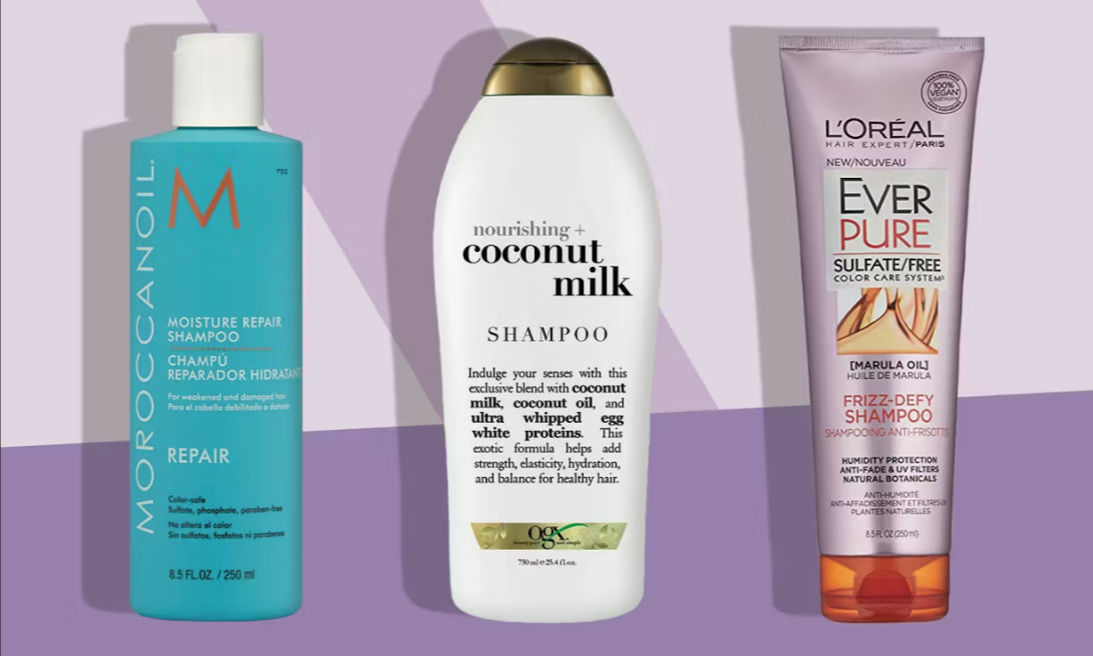
Matching The Formula To Specific Hair Textures
Not all frizz is created equal. A person with fine, straight hair has different needs than someone with tight curls. Using the wrong product is a recipe for a bad hair day.
- For Fine Hair: Look for volumizing yet smoothing formulas. Avoid heavy silicones like dimethicone high up on the list. These can weigh hair down and make it look limp by noon.
- For Thick Hair: Choose rich and creamy textures. Look for high concentrations of natural butters. This hair can handle the weight.
- For Curly Hair: Curls need massive amounts of moisture to stay defined. Use a sulfate-free cream cleanser that doesn’t suds up too much.
- For Color-Treated Hair: Pick a formula that protects the dye. It should also provide a smooth finish to hide any chemical damage.
- For Damaged Hair: Focus on protein-rich options. These help rebuild the hair bonds that were broken by bleach or flat irons.
The best shampoo for frizzy hair often contains keratin. Keratin is a protein found naturally in the body. Supplementing it through washing makes the hair stronger. Stronger hair resists environmental changes much better.
Habits That Secretly Sabotage Your Smoothness
Many people wash their hair every single day. This is a big mistake for anyone fighting frizz. It is obsessive and unnecessary. Over-washing removes the oils that keep hair flat. Try to wash only three times a week. Use dry shampoo on the off days if things get a bit oily at the roots. Let the natural oils do their job for once.
Another mistake is using too much product. A dime-sized amount is usually enough for most people. Companies want consumers to use more so they buy more. Do not fall for it. Focus the product on the areas that need it most. Some people skip conditioner to save time. This is a bad idea. Conditioner is vital for closing the hair cuticle. Without it, the efforts of the shampoo are wasted. Also, check the pH level. A slightly acidic pH is best. Avoid products with high alcohol content. Alcohol dries out the hair faster than a desert wind. It makes the frizz ten times worse.
Practical Advice For Lasting Moisture
Use a wide-tooth comb in the shower. Comb the conditioner through the strands while they are still wet. This ensures every single hair is coated. Let the conditioner sit for at least three minutes. This allows the nutrients to soak in deeply. A pre-shampoo treatment can also help. Apply a bit of oil to dry hair before hopping in the shower. This protects the hair from the stripping effects of water. Water itself can be drying if it is “hard” water full of minerals.
The best shampoo for frizzy hair works better with a leave-in treatment. Apply a small amount of serum to damp hair. This provides an extra layer of protection against the world. Sleep on a silk or satin pillowcase. Cotton is absorbent. It pulls moisture out of the hair while a person sleeps. Silk allows the hair to glide smoothly. This prevents “bed head” and morning tangles. Consistency is the key. It won’t happen overnight. Stop switching products every week. Give the hair time to heal.
FAQs
How often should I use the best shampoo for frizzy hair?
Use it 2 to 3 times per week. Over-washing can lead to more dryness and irritation.
Can I use this shampoo on colored hair?
Yes. Most smoothing shampoos are safe for color. Always check the label for “sulfate-free” status to be sure.
Does cold water really help with frizz?
Yes. A cold rinse seals the hair cuticle. This helps lock in moisture and provides a natural shine.
Should I use a hair mask too?
A weekly deep conditioning mask is highly recommended. It provides extra nutrients that daily products might lack.