
Piracy Warning Luxury Cruise Passengers Safety Guide
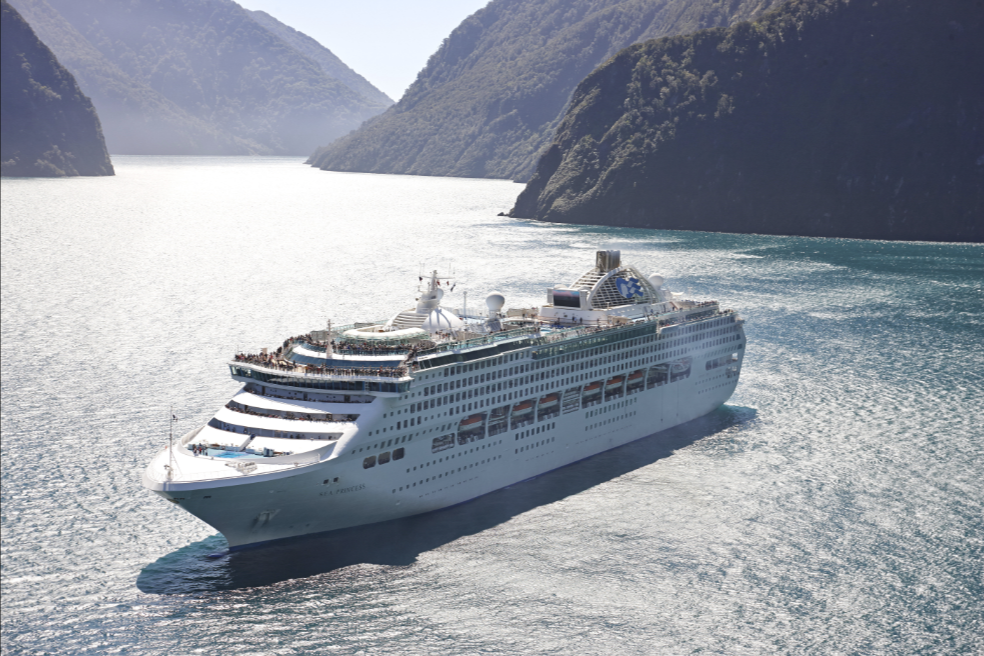
The balcony suite is booked. The suitcases are bursting at the seams. The dream of clear blue water is finally happening. Then, a notification pops up on a phone. A piracy warning luxury cruise passengers alert hits the news cycle. Suddenly, the tropical drink feels a little less relaxing. Is there actually a reason to sweat? The short answer is no. But the long answer is far more interesting. It involves a hidden world of multi-million dollar defense tech and elite security teams that keep the vacation vibe alive while the world stays chaotic.
Movies have ruined the public perception of the ocean. Most people still think of wooden hulls and guys with eye patches. The truth is much colder and more technical. Modern maritime security is a game of sensors, advanced radar, and professionals who don’t play around. These luxury liners are essentially high-end floating fortresses equipped with better Wi-Fi than most home offices.
The Reality Of Modern Maritime Threats
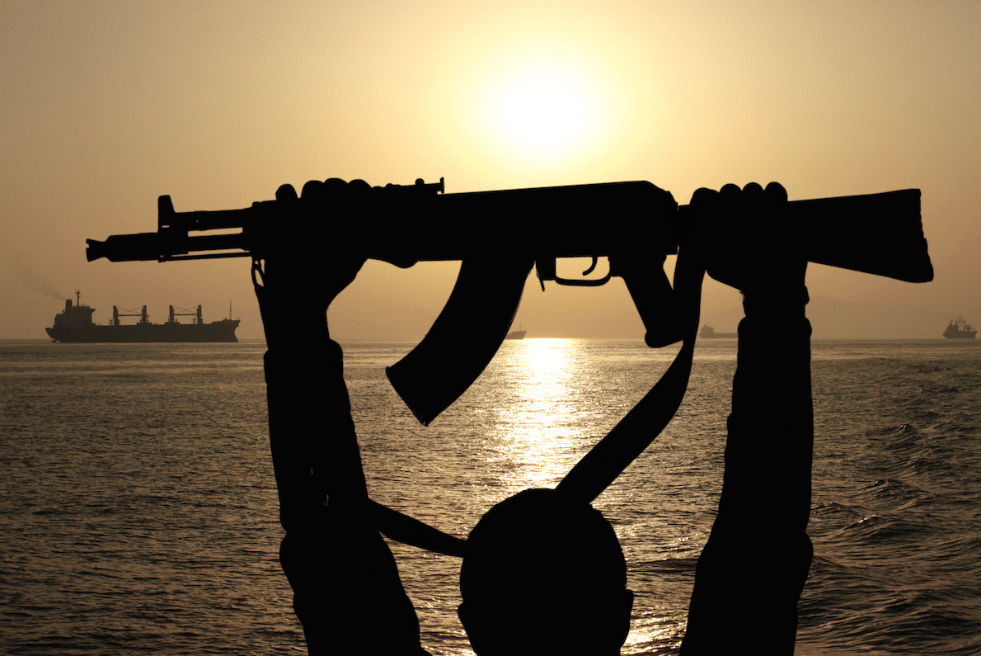
The ocean is an unimaginably massive place. Most of it is just empty, boring blue. When headlines scream about threats at sea, they are usually talking about slow-moving cargo ships in very specific, unstable corners of the map. Why? Because cargo ships have tiny crews and very low decks. They are easy targets. A massive luxury cruise liner is an entirely different beast. It sits high above the water line. It has thousands of people and a high-profile reputation. It is a logistical nightmare for anyone trying to cause trouble.
Most real-world incidents happen near regions where local governments have effectively collapsed. Cruise lines are not stupid. They do not sail into active war zones or lawless coastal waters just to save a few bucks on fuel. Huge sums of money go into monitoring every single mile of a planned route. If a Piracy Warning Luxury Cruise Passengers report flags a specific zone as “hot,” the ship simply pivots. It takes a different path. Passengers might notice the ship stays fifteen miles further from the coast than the brochure suggested. That isn’t a navigation error. It is a calculated, professional safety move designed to keep the “spicy” parts of the world at a distance.
Safety Protocols Every Traveler Should Expect
Safety begins the second a passenger hits the gangway. Everyone has to do the mandatory safety drill. Yes, it is annoying. Yes, it cuts into the time spent exploring the buffet. But this drill is the foundation of the whole operation. This is where the basics are burned into the brain. Where to go. How to strap on the life jacket. How to stay calm when things get weird. The crew practices these maneuvers hundreds of times a year until they can do them in their sleep.
The security team on a modern ship isn’t a group of mall cops in oversized shirts. These are usually former military or special forces operators. They are the guys who know how to handle high-pressure situations without breaking a sweat. They monitor the cameras 24/7. They patrol the decks with a quiet, professional intensity. Most of the time, they stay out of the way because nobody wants to see a tactical vest while they are eating lobster. But they are always there, watching the shadows.
Captain Robert Sterling Explains Ship Defense
Industry veterans like Captain Robert Sterling have spent decades on the bridge. He has seen the industry evolve from basic radios to satellite-linked defense systems. According to Captain Robert Sterling, the most vital tool in his kit is pure situational awareness. He doesn’t sit around waiting for trouble to knock on the hull. He uses Long Range Acoustic Devices (LRAD) to communicate with any vessel that gets too close for comfort. These machines send a focused beam of sound across the water. It can be a polite “hello” or a painfully loud warning that stops a boat in its tracks.
Captain Robert Sterling also points out that speed is a massive, underrated advantage. People don’t realize how fast these floating cities can actually move when they need to. If a suspicious boat tries to approach, the captain can just push the throttles forward. A giant ship moving at 22 knots creates a massive, turbulent wake. That wake would flip a small skiff or a boarding craft in seconds. Most of the time, the potential threat looks at the mountain of steel moving at high speed and simply gives up. It isn’t worth the risk.
Essential Preparation Tips For Your Voyage
Nobody needs to be a doomsday prepper to enjoy a cruise. However, a little bit of situational awareness goes a long way. The daily newsletter left on the bed isn’t just for show. It usually contains more than just the dinner specials and the showtimes for the lounge singer. It provides updates on the waters the ship is entering.
- Attend every safety meeting and actually pay attention.
- Keep the room key handy at all times; it is the only real ID on board.
- Memorize the shortest path to the designated muster station.
- Listen carefully when the captain makes an announcement over the PA system.
If a Piracy Warning Luxury Cruise Passengers alert is ever mentioned, the number one rule is to stay calm. Panic causes more injuries than pirates ever have. The crew has a literal script for these events. They have a plan for every contingency. Following their instructions is the easiest way to ensure the trip stays on track. Most of these alerts are nothing more than an “abundance of caution” protocol.
How Technology Keeps High Seas Safe
The bridge of a modern ship looks more like a set from a sci-fi movie than a traditional cockpit. It is a wall of glowing screens and advanced sonar. They track weather, depth, and every single moving object within a fifty-mile radius. This tech has fundamentally changed the game.
When a Piracy Warning Luxury Cruise Passengers update hits the wire, the tech goes into overdrive. The ship uses encrypted satellite links to talk to the coast guard and international navies. They use GPS to plot a course that weaves around any potential trouble spots. They can even deploy non-lethal deterrents if a boat gets too close. High-pressure water cannons are the gold standard here. They can blast a small boat away without firing a single shot. It is effective, clean, and keeps the ship secure.
The Training Of Professional Security Teams
The security staff is the backbone of the ship’s safety profile. These individuals undergo grueling training every year. They study crowd control. They learn advanced medical response. They also train specifically on how to prevent unauthorized boarding. They use a layered defense strategy that starts miles away from the ship.
The first layer is the ocean itself—finding a ship in the middle of the deep blue is harder than it looks. The second layer is the sensors. The third layer is the physical design of the ship. The hull is a sheer, vertical wall of smooth steel. It is incredibly high. Trying to climb that while the ship is churning through the water is nearly impossible. If an alert goes out, the security team increases their presence. They lock down specific access points. They are the silent guardians of the vacation.
Why Most Cruises Remain Perfectly Safe
Look at the raw data. Millions of people sail every single year. The number of actual security incidents is almost zero. This is because the industry is governed by incredibly strict international laws. Ships have to meet massive safety standards just to clear the harbor. Cruise lines are in the business of selling happiness. They would never risk their multi-billion dollar reputations or their passengers’ lives for a shortcut.
If a Piracy Warning Luxury Cruise Passengers headline pops up on social media, don’t let it ruin the mood. The ocean is a big place. Most trouble is concentrated in tiny, specific areas far away from any luxury route. Passengers are safer on that ship than they are driving to work on a rainy Tuesday.
FAQs
Are cruise ships targets for pirates?
It is very rare. Their size, speed, and security teams make them very difficult and unattractive targets.
What is a muster station?
This is a designated area on the ship where you gather during an emergency to receive instructions.
Do ships have weapons?
Most ships use non-lethal deterrents like water cannons and sound devices rather than traditional firearms.
Will my cruise be canceled due to piracy?
Unlikely. The cruise line will typically change the route to avoid any risky areas instead of canceling.
Who protects the ships in international waters?
A combination of private security, ship crew, and international naval task forces that patrol common routes.
You may also read: