
What Happens If Pirates Attack A Cruise Ship
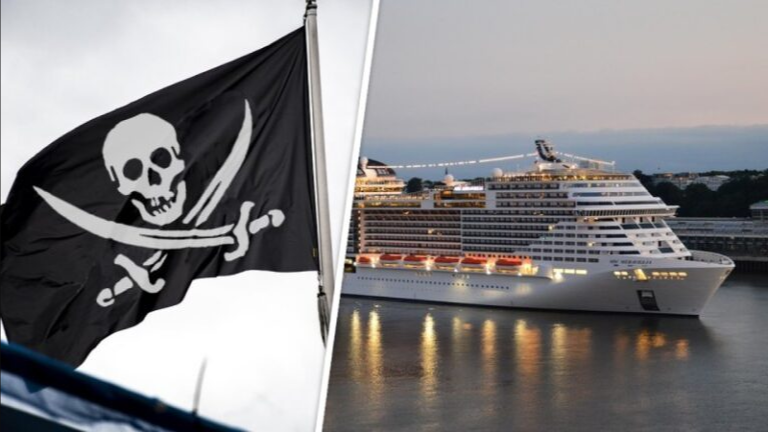
The romantic image of a pirate involves an eye patch and a wooden ship. But out on the open water, the reality is much less charming. It is a source of deep anxiety for many travelers who book that dream vacation. They look at the vast, empty horizon and wonder about the risks. What happens if pirates attack a cruise ship is a question that sits in the back of many minds. It is a fair concern. The ocean is big. It is mostly unregulated. And yet, the chance of a successful boarding is nearly zero.
Modern cruise ships are not just floating hotels. They are massive feats of engineering. They are fast. They are tall. They are equipped with technology that would make a spy movie jealous. Most people see the buffet and the pool. They do not see the layers of defense designed to keep the peace. Security is a constant, invisible hum in the background of every voyage. It is a professional operation run by people who do not take chances.
The Floating Fortress Illusion
A cruise ship looks vulnerable because it is big. It is a giant target. But size is actually its greatest weapon. These vessels are moving skyscrapers made of reinforced steel. To a pirate in a small rubber boat, a cruise ship is a vertical wall. It is an intimidating sight. Most criminals are looking for an easy score. They want a low-sitting cargo ship with a tired crew. A cruise ship is the opposite. It is a brightly lit, high-speed fortress. It is a nightmare for anyone trying to climb on board. The sheer scale of the vessel makes it a logistical disaster for attackers.
Radar: Detecting Trouble Before It Starts
A ship does not just stumble into trouble. It sees it coming from miles away. Modern vessels use advanced radar that can pick up a piece of driftwood, let alone a pirate skiff. These systems are monitored 24/7 on the bridge. There is no downtime. No breaks. Just a constant watch over the blue. Officers look for “cold” boats. These are small vessels with no lights and no radio signals. If a boat shows up where it should not be, the alarm bells start ringing.
And then there are the cameras. We are talking long-range infrared sensors. They can see heat signatures in the dead of night. If a boat starts behaving strangely, the crew knows. They track the speed. They track the heading. They ask: Is this boat following us? If the answer is yes, the ship does not wait around to find out why. Understanding what happens if pirates attack a cruise ship starts with the realization that the ship has already seen them. The ship simply speeds up. Most people do not realize how fast these giants can move. They can outrun almost any small craft in a heavy swell.
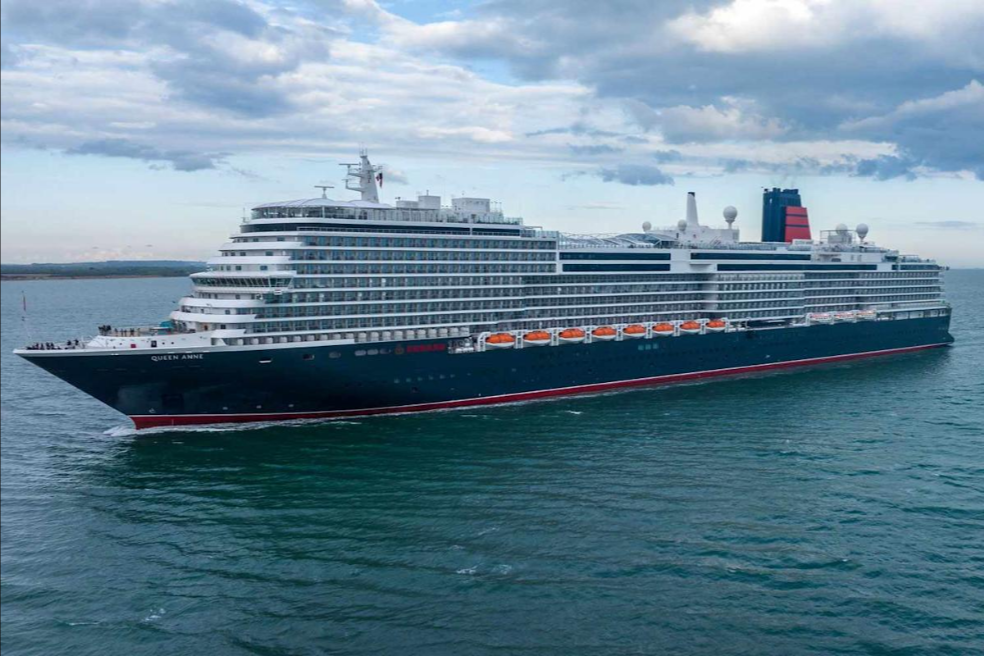
The Sonic Cannon: Making Ears Bleed
Sometimes speed is not enough. Sometimes a boat gets too close. That is when the loud stuff comes out. This is not a siren. It is a Long Range Acoustic Device, or an LRAD. Think of it as a sonic cannon. It sends a beam of sound that is so loud it causes physical pain. It is narrow. It is focused. If a pirate is in the path of that beam, they cannot think. They cannot move. They definitely cannot climb a ladder. It is like being hit by a wall of screaming noise.
This technology has changed what happens if pirates attack a cruise ship by creating a non-lethal wall of sound. It makes people feel sick and dizzy. It is effective up to several hundred yards. Most pirates are looking for an easy target. They want a slow cargo ship with a small crew. When they hit a wall of noise that makes their ears bleed, they usually turn around. It is a clean way to handle a threat without ever firing a shot. It is smart. It is effective. And it keeps the passengers safe and oblivious.
Coded Whispers and Cabin Lockdowns
What about the people on board? If a threat is detected, the crew does not panic. They have a script. They use coded language over the loudspeakers. You might hear a specific phrase that sounds like a routine announcement. To the guest, it is noise. To the staff, it is a battle cry. They move into position. Passengers are usually told to go to their cabins and stay away from the balconies. It is about control. It is about keeping people away from the edges where things might get messy.
Every ship has a lockdown plan. Doors are sealed. Elevators might be disabled. In some cases, ships have “citadels.” These are reinforced areas that are impossible to breach from the outside. The crew practices these drills constantly. It is tedious work. It is repetitive. But it means that when a real threat appears, the response is automatic. People wonder what happens if pirates attack a cruise ship while they are at dinner. The answer is simple: the staff quietly manages the situation while you are finishing your dessert. The goal is always to keep the “vacation vibe” alive, even when things get tense.
Elite Guards in Plain Clothes
The guys in the polo shirts walking the decks? They are often more than they appear. Many cruise lines hire former military personnel. We are talking Special Forces. Marines. These people are professionals. They do not just stand around. They manage what happens if pirates attack a cruise ship with a level of precision that is hard to imagine. They are trained in hand-to-hand combat. They know how to handle high-pressure situations. They are the ultimate deterrent.
These teams are the invisible muscle. They have access to an armory if things get truly dire. But they prefer other tools. Water cannons are a favorite. These are not garden hoses. They are high-pressure monitors that can blast a man off a ladder or even swamp a small boat. The sheer volume of water is enough to stop an attack in its tracks. The security team works like a well-oiled machine. They are brave. They are ready. And they are very, very good at their jobs.
The Shadow of the Global Navy
No ship is truly alone out there. The ocean is divided into zones, and many are patrolled by international navies. The U.S. Navy, the British Royal Navy, and others keep a constant presence in high-risk areas. There are international laws that dictate what happens if pirates attack a cruise ship in international waters. These warships are often just over the horizon. They use drones to keep an eye on things. They are the big brothers of the sea.
If a cruise ship sends out a distress signal, it is not just a call for help. It is a dinner bell for a destroyer. Navies take piracy very seriously. They use helicopters to respond in minutes. The presence of these warships acts as a massive deterrent. Most pirates are desperate, but they are not suicidal. They do not want to go up against a guided-missile destroyer. This global cooperation ensures that the most dangerous parts of the sea stay open and safe for travel.
The Brutal Physics of a Moving Target
Physics is the best defense. A cruise ship is a moving skyscraper. The sides are smooth steel. They are slippery. They are high. To get on board, a pirate has to pull up alongside a vessel moving at 20 knots and throw a hook up 40 feet of sheer metal. It is almost impossible. The wake from the ship alone is enough to flip a small skiff. Most attempts fail because the pirates simply cannot get a grip. They are fighting the ocean and the ship at the same time.
When we look at what happens if pirates attack a cruise ship, we see a series of failures for the attackers. They get spotted. They get outrun. They get blasted by sound. They get sprayed with water. And if they somehow survive all that, they are staring up at a 10-story wall of steel while being watched by elite security. It is a bad business model. Pirates want the path of least resistance. A cruise ship is the exact opposite of that. It is a fortress that moves.
A Final Word On Deep Blue Security
The ocean will always have its share of shadows. It is part of the mystery of travel. But the reality of modern cruising is one of extreme safety. Billions are spent on defense. Thousands of hours are spent on training. You can sit on your balcony and watch the waves without a single worry. The crew has it handled. The technology has it handled. It is a system designed to fail-safe.
Trust the process. Trust the professionals. The stories of pirates are mostly just that—stories. In the real world, the good guys have the better gear and the faster ships. Your only job is to enjoy the sun. The pirates of the past are gone. What remains is a world where safety is the priority and the horizon is always clear.
FAQs
- Do cruise ships carry guns or armed guards?
Most cruise ships employ highly trained security teams, many of whom are former military. While they rarely display weapons in public areas to maintain a relaxed atmosphere, ships do have access to small arms and specialized defense equipment if a serious threat arises.
- Has a cruise ship ever been successfully hijacked by pirates?
In modern history, there has never been a successful hijacking of a major cruise ship. While there have been a few attempted boardings (such as the Seabourn Spirit in 2005), the ships’ defenses and speed successfully repelled the attackers every time.
- Are certain cruise routes more dangerous than others?
Routes passing through the Gulf of Aden or near the Horn of Africa are considered higher risk. In these areas, ships take extra precautions, such as traveling in convoys, increasing speed, and maintaining a 24-hour “pirate watch.”